


Most people prepare for retirement by saving money. Far fewer spend the same amount of time preparing their bodies and minds for the decades ahead.
Yet the reality is simple. The choices made at 35, 45, or 55 often influence how life feels at 75. Healthy aging does not suddenly begin when someone notices gray hair or starts scheduling more doctor’s appointments. It starts much earlier through everyday decisions that shape the body’s ability to adapt, recover, and stay functional.
This shift toward prevention explains why wellness conversations have evolved in recent years. Rather than focusing solely on treating visible concerns, people are becoming more interested in supporting long-term well-being before problems arise. The growing popularity of the red light therapy mask, for example, reflects a wider movement toward proactive self-care and personal wellness management.
The goal is no longer just to live longer. Increasingly, people want to remain active, independent, and engaged throughout those additional years.
Key Takeaways
. Prevention creates opportunities for better health later in life.
. Daily routines often have a greater impact than occasional wellness efforts.
. Physical, mental, and emotional health influence one another.
. Healthy aging focuses on maintaining capability, not chasing perfection.
. Long-term wellness develops through consistency rather than dramatic changes.
Think of Health as a Long-Term Investment
Many people understand compound interest when it comes to finances. Small contributions made consistently can grow into substantial results over time. Health works in a surprisingly similar way. One nutritious meal will not transform a person’s future. Neither will a single workout or one good night’s sleep. However, repeating positive actions over months and years can create meaningful benefits.
Likewise, neglecting health rarely produces immediate consequences. Instead, the effects often accumulate quietly until they become difficult to ignore. This gradual process makes prevention one of the most valuable tools available for healthy aging.
The Body Pays Attention to Patterns
Human biology responds remarkably well to routine. Regular movement encourages muscles and joints to remain active. Consistent sleep supports recovery and mental clarity. Balanced nutrition supplies the resources the body needs to maintain countless daily functions. The body does not require perfection. It responds best to reliable patterns.
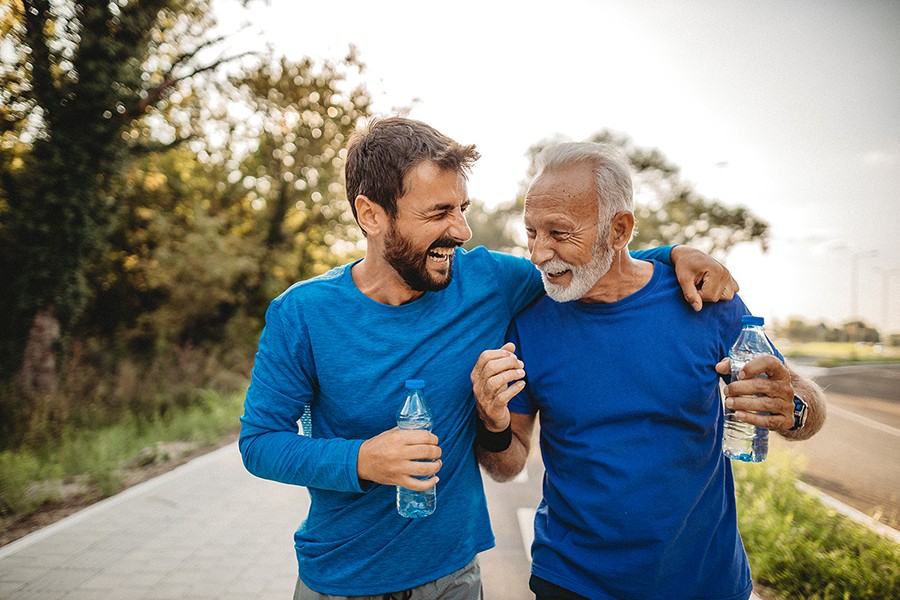
Someone who takes a daily walk for years may gain more long-term benefit than someone who exercises intensely for a few weeks and then stops. Sustainable habits often outperform short bursts of motivation.
Why Recovery Deserves More Attention
Modern culture tends to celebrate productivity. Recovery rarely receives the same recognition. Yet many important biological processes occur during periods of rest. Sleep supports tissue repair, memory processing, hormone regulation, and overall recovery. Mental downtime helps reduce the burden of chronic stress. Without recovery, the body spends more time responding to demands and less time rebuilding itself.
Healthy aging depends not only on what people do but also on how effectively they allow themselves to recover.
Strength Is About More Than Muscles
When people hear the word “strength,” they often think about physical fitness. However, healthy aging also involves emotional and cognitive strength.
The ability to adapt to change, manage challenges, maintain social connections, and continue learning contributes significantly to overall well-being. Research consistently shows that mental engagement and social interaction remain important components of long-term quality of life. A healthy future depends on more than strong bones and healthy muscles. It also relies on resilience and purpose.
The Emerging Interest in Red Light Therapy Masks
A red light therapy mask has become a frequently discussed topic within modern wellness communities. Researchers continue to explore how specific wavelengths of light interact with skin cells and biological processes. Much of the public interest centers on supporting skin appearance and overall skin wellness. However, health experts generally emphasize that no single device can replace the foundational elements of preventive health.
Technologies may complement a wellness routine, but they work best alongside healthy habits that support the body as a whole.
Building a Lifestyle That Supports Tomorrow
One of the biggest misconceptions about aging is that decline happens suddenly. In reality, many age-related changes develop gradually through years of accumulated experiences, behaviors, and environmental influences.
This reality creates an opportunity. People can influence many aspects of their future well-being through choices made today. Preparing balanced meals, staying physically active, protecting sleep, managing stress, and maintaining meaningful relationships may not seem remarkable on any given day. Yet together, these actions create a framework that supports long-term health.
Looking Beyond the Calendar
A birthday measures the number of years a person has lived. It does not measure energy, mobility, confidence, or quality of life. Healthy aging through prevention shifts attention away from the calendar and toward daily function. It encourages people to focus on preserving what matters most: the ability to move comfortably, think clearly, stay connected, and enjoy life’s experiences.
The future is shaped by thousands of small choices. While no one can control every aspect of aging, consistent preventive habits can help create a stronger foundation for whatever the years ahead may bring.